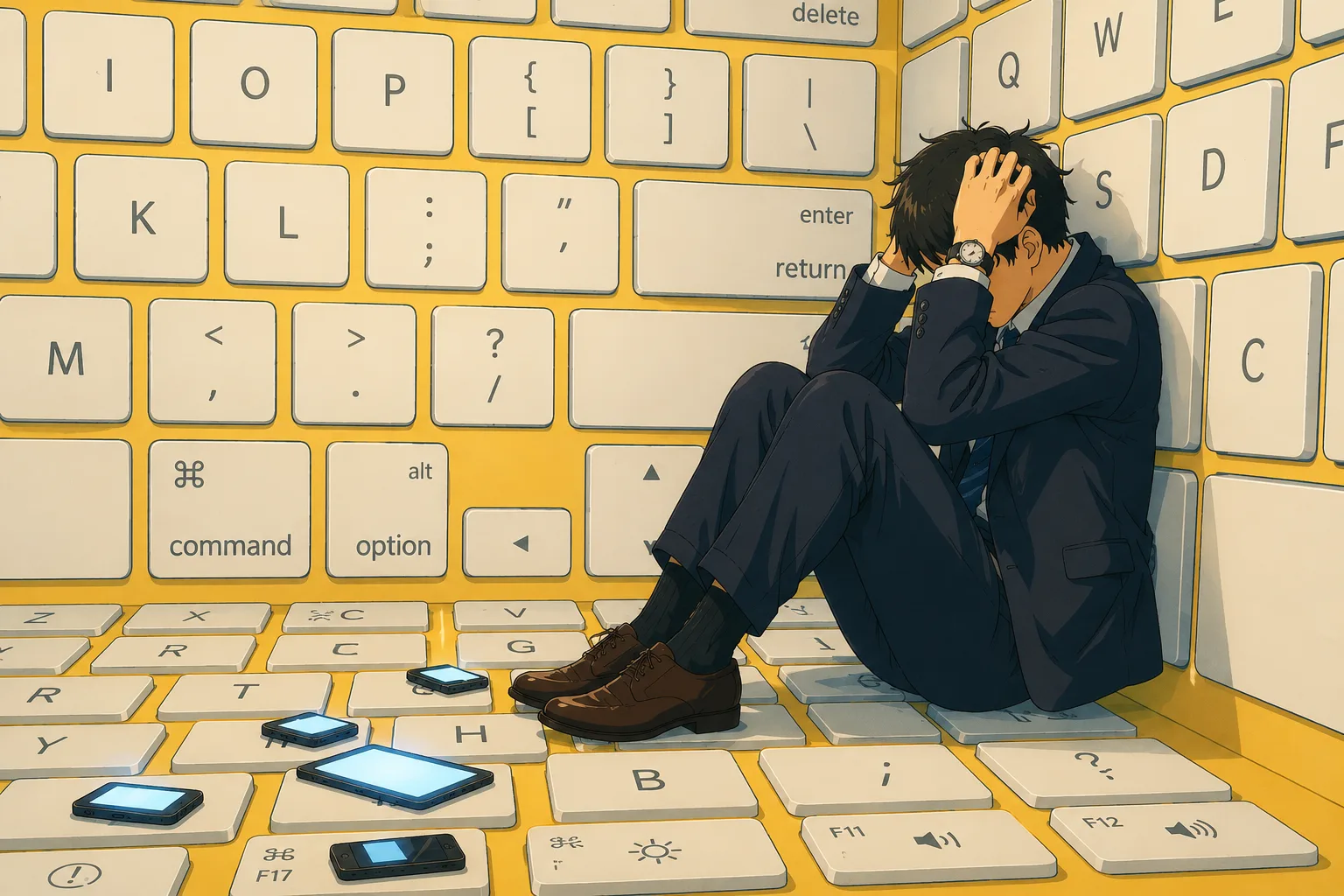
Three feeds open. A few hundred notifications you haven’t read. A thread you’ve been in for years. And somehow it’s 11pm, you’re on the sofa, and the whole week feels like it happened to someone else. You weren’t alone all day. Not really. You just spent it next to everyone else’s posts.
This is a very modern flavour of a very old feeling. The NHS describes loneliness as the gap between the contact you’ve got and the contact you actually need. Turning your phone up doesn’t shrink that gap. Sometimes it widens it.
Lonely isn’t the same as alone
You can spend a whole weekend by yourself and feel completely fine. You can also sit in a packed room and feel like nobody would notice if you left. The CDC treats loneliness as something you feel rather than something you can count off a guest list. What matters is whether the connection feels close, whether it happens often enough, whether it goes both ways. Plenty of contact can tick none of those boxes.
Which is how a buzzing lock screen and a flat, lonely Sunday end up living side by side.
Why messages don’t always count as contact
Most of what crosses your phone in a day is broadcast. You watch what people are up to. They don’t watch you back. You tap a reaction on a story and call it keeping in touch. A group chat can feel like company, sure. But scrolling a 200-message backlog you contributed two emoji to is a different animal from one actual afternoon with a friend.
The U.S. Surgeon General’s 2023 advisory on loneliness made this point directly. Digital contact can stand in for connection without ever delivering what connection does. Same hours on the same screen. The effect on you isn’t the same at all.
What the science says is at stake
This isn’t just a mood. The CDC ties loneliness and social isolation to a higher risk of depression and anxiety, worse sleep, and a real, measurable bump in physical-health risk. The Surgeon General’s advisory goes as far as putting the toll on your heart in the same bracket as other risk factors people already worry about.
You don’t have to memorise any of those figures. The takeaway underneath them is simple enough. Contact that actually lands changes how the rest of your life runs.
What to try today
- Send the message you’d usually just think about. “Thinking about you, how’s your week?” Five seconds. Hardly anyone sends it.
- Bump one chat up a level. A voice note instead of a text. A call instead of a voice note. A walk instead of a call. You don’t have to overhaul the lot. Just move one thing.
- Get one in-person thing into the next week. Coffee, dinner, the gym, whatever. Keep it small and low-stakes, and soon enough that you can’t quietly talk yourself out of it.
- Cut the input that leaves you feeling further away. The feed that turns into a comparison reel inside thirty seconds. The account whose “update” always leaves you a bit worse off. Mute it, don’t delete it. Some of this loneliness is just other people’s edited highlights doing their work on you.
- Clock when it tends to hit. Phone-era loneliness has fairly predictable peaks. Late evenings. Empty Sundays. That first hour after you clock off. Seeing it coming beats getting caught by it.
When to get extra support
If you’ve been backing away from people for weeks, if answering a text feels genuinely impossible, if being on your own has started arriving with low mood or a flat sense of hopelessness, that’s the point to reach past self-help. The NHS loneliness page lists support lines, peer-support groups, and self-referral routes into talking therapy. You don’t have to be in crisis to use any of it.
Asked by readers
Questions readers send us most often, with the pieces that answer each in full.